National Rotisserie Chicken Day and Its Culinary Significance

National Rotisserie Chicken Day is an unofficial culinary celebration held annually on 2 June. It honours the traditional method of cooking whole chickens on a rotating spit, a technique that has been used since medieval times.
The spit-roasting process involves slowly cooking the chicken in a specialised oven with automatic rotation, which preserves flavour and produces tender, juicy meat. This cooking style has evolved with modern ovens becoming widely available since the 1930s.
Originating in the United States through the efforts of Boston Market, the day highlights the popularity of rotisserie chicken as an affordable and convenient meal. The tradition has also been embraced in countries such as Peru and Australia, each adding their own cultural touches.
Date and Origin of the Holiday
National Rotisserie Chicken Day in the United States is celebrated annually on 2 June. This holiday has been observed every year since 2015. The day was established by the Boston Market restaurant chain, which played a significant role in promoting packaged rotisserie chickens. Boston Market’s efforts have contributed to the recognition and celebration of rotisserie chicken as a popular dish, culminating in the creation of this dedicated day.
Celebrating the Holiday in Australia
In Australia, National Rotisserie Chicken Day is celebrated on 2 June by barbecue enthusiasts who blend the American tradition with local customs. Australians often prepare rotisserie chicken on backyard grills or during picnics, using marinades infused with eucalyptus smoke to create a distinctive flavour. The spit-roasting method remains popular at Australian barbecues, evoking medieval traditions adapted to modern ovens. Major supermarket chains such as Woolworths and Coles attract customers by offering ready-to-eat rotisserie chickens at affordable prices, highlighting the dish’s accessibility as an inexpensive meal option. In cities like Sydney and Melbourne, cafes mark the occasion with special promotions, serving rotisserie chicken accompanied by chips and sauces. Australian families commonly repurpose leftover rotisserie chicken in salads with avocado or in rolls, providing convenient and time-saving dinner solutions. Overall, the holiday emphasises the widespread availability and cultural integration of rotisserie chicken within Australian food practices.
History and Method of Preparing Rotisserie Chicken
The technique of cooking meat on a spit dates back to the medieval period, serving as a traditional method for roasting. This approach was especially favoured in large households, where a servant would manually rotate the meat to ensure even cooking. Rotisserie chicken involves roasting a whole chicken by skewering it onto a long, sturdy rod known as a spit. The chicken is then cooked in a specialised oven positioned near a heat source, with an automatic rotation mechanism that allows for uniform cooking. This slow roasting method on the spit helps to preserve the flavour of the meat while producing tender and juicy results. The development of modern automatic rotisserie ovens is a relatively recent innovation, enhancing the efficiency and consistency of preparing rotisserie chicken.
Development and Popularisation of the Dish
The modern concept of rotisserie chicken first appeared in the 1930s, marking the beginning of its journey towards widespread recognition. However, it was not until the 1990s that rotisserie chicken became widely accessible to consumers. Today, many supermarkets across various countries offer ready-to-eat rotisserie chickens at relatively low prices, sometimes even cheaper than purchasing a whole raw chicken. This pricing strategy often serves as a marketing tool, attracting customers who may then purchase additional products during their visit.
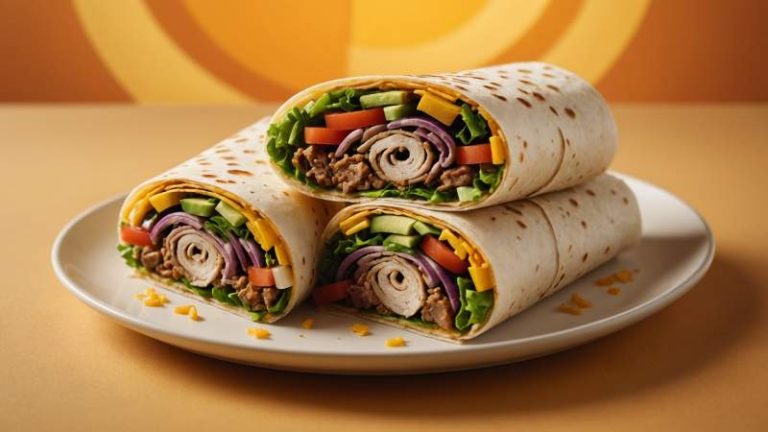
Supermarkets frequently prepare rotisserie chickens using poultry nearing the end of its shelf life, thereby minimising potential losses. The dish has gained significant popularity, particularly in the United States and several other countries, as a convenient, tasty, and affordable ready meal option. Beyond being consumed on its own, leftover rotisserie chicken is versatile and commonly incorporated into sandwiches, salads, and soups, further enhancing its appeal and utility in everyday cooking.
Rotisserie Chicken in Peru: Pollo a la Brasa
In Peru, rotisserie chicken holds a special place as a national dish known as pollo a la brasa. This dish, also referred to as pollo asado or charcoal-grilled chicken, was invented by Swiss immigrants in Peru during the mid-20th century. Pollo a la brasa consists of chicken fillets roasted on a spit, resulting in a distinctive flavour and texture. It is traditionally served with French fries, ají salsa, and mayonnaise-based sauces, complementing the smoky and savory profile of the meat. The popularity of pollo a la brasa is evident in the eating habits of the average Peruvian, who consumes this dish approximately three times per month. Reflecting its cultural and culinary significance, restaurants specialising in rotisserie chicken account for 40% of all fast-food establishments in Peru.